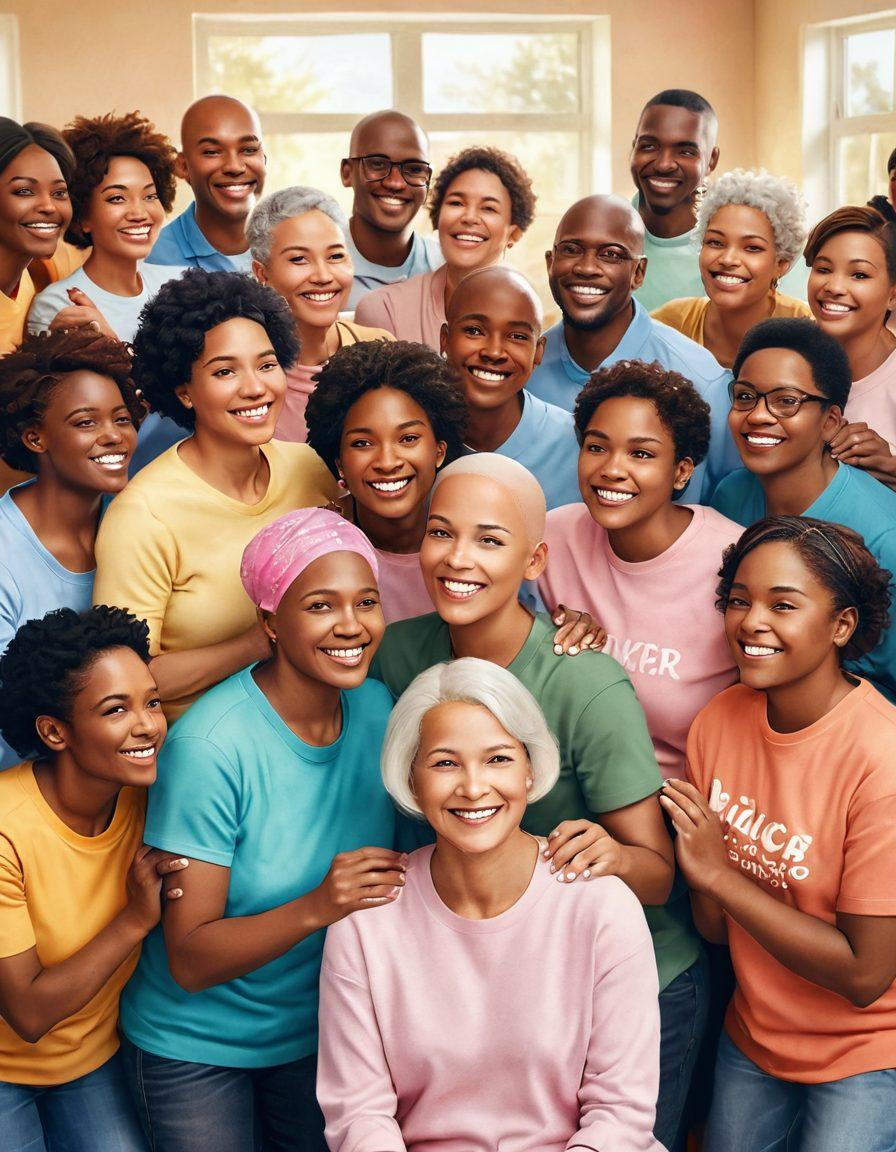
Empowering Lives: A Comprehensive Guide to Cancer Awareness, Support, and Healing
Navigating the cancer journey can feel like walking through a dense fog; you're aware that the path exists, but you can't quite see where it leads. Whether you or a loved one have recently been diagnosed or you're simply looking to raise your cancer awareness, it's essential to understand that this journey is not just about survival. It’s about empowerment, informed choices, and community support. After all, knowledge is power. So, how can you turn that fog of uncertainty into a clearer path towards healing and hope?
Cancer awareness begins long before a diagnosis; it often stems from education, proactive health measures, and understanding symptoms. Did you know that maintaining awareness of your body can act as preventive care? Healthcare professionals encourage regular check-ups and screenings with the understanding that early diagnosis can significantly impact outcomes. But what are the early signs and symptoms you should be looking for? Have you had the necessary conversations with your healthcare provider regarding your risk factors? It's crucial to take a proactive stance, as the more you know, the better equipped you'll be to face whatever comes your way.
Once diagnosed with cancer, the journey may lead to many emotions, from fear to anger and everything in between. This is where the role of support groups becomes invaluable. Connecting with others who are navigating similar paths creates a space of understanding that can alleviate feelings of isolation. As one survivor put it, “In those dark moments, I leaned on my tribe—they turned my ‘why me’ into ‘why not me?’” When you have a community surrounding you, the experience transforms from an individual struggle into a collective fight against malignancy. Have you considered exploring local support groups or online communities?
As you delve deeper into treatment options, remember that there’s no one-size-fits-all. Oncology offers a spectrum of therapies ranging from traditional modalities like chemotherapy to cutting-edge treatments like immunotherapy and clinical trials. Additionally, research is continually evolving, revealing alternative therapies and holistic health methods focused on enriching nutrition and nurturing mental health. Exploring these options can empower you, enabling you to make choices that align with your values and lifestyle changes. What therapeutic methods have resonated with you? How might you incorporate them into your care plan?
Ultimately, survivorship is not merely about the absence of illness; it’s about thriving in the presence of it. This perspective drives the importance of cancer advocacy, education, and ongoing community support. From palliative care to integrating lifestyle changes that enhance well-being, there’s a wealth of patient resources available to ensure that you are walking your path with dignity and strength. The narrative changes when you embrace your role as your own advocate. Have you sought out resources that inspire you towards healing? By taking charge, you not only empower yourself but also inspire those around you to join this vital conversation. You are not alone on this journey; together, we can turn awareness into action.
Transforming Lives: Essential Resources and Support for Cancer Fighters
In the journey through the daunting realm of cancer, where uncertainty lingers and fear often grips the heart, transformation becomes a lifeline. For countless individuals and families confronted with this illness, understanding and accessing essential resources can mean the difference between despair and empowerment. This is not just about battling malignancy; it's about embracing life, seeking treatment options in oncology, and discovering the wealth of patient resources available to make the fight a little less lonely. So, how do we navigate this complex landscape of cancer awareness and support?
Imagine sitting in a doctor's office, waiting for the diagnosis that could redefine your world. The tension is palpable. Would it be just a symptom of fatigue or something more sinister? In that heartbreaking moment, having access to comprehensive resources becomes crucial. From medical research to community support groups, the network you can establish may be your strongest ally. Support groups can offer solace; they provide shared experiences and emotional reinforcement akin to a bear hug on a bad day. But what do these resources entail?
Many cancer fighters turn to therapy — both conventional and alternative — to manage not just the physical symptoms but also the mental health challenges that accompany this journey. Have you considered holistic health approaches? Therapeutic practices such as mindfulness, yoga, and nutrition are becoming intertwined with modern oncology treatments. Integrating lifestyle changes, along with preventive care, not only addresses the immediate discomforts but fosters long-term survivorship, putting you in the driver’s seat of your health. It's worth reflecting on: what can I change or pursue today that will enhance my health tomorrow?
The innovation in medical procedures like immunotherapy and clinical trials embodies the hope blossoming within cancer therapy. These are not just buzzwords; they represent paths towards healing that are changing lives every day. As a cancer fighter, arming yourself with knowledge regarding these advancements is imperative. Staying engaged, asking questions, and advocating for yourself can lead to finding the treatment plan that resonates with your body and spirit. How empowered would you feel if each question you ask brought you closer to a breakthrough?
Ultimately, it’s the connections formed through shared experiences that can nurture the transformative power of survivorship. Cancer advocacy goes beyond individual battles, rallying for better healthcare and patient resources within healthcare systems. The relationships built in support circles can illuminate the darkest of days, making you feel less like a solitary soldier and more a part of a resilient community. Cancer doesn't solely change lives; it enhances them, igniting passions for advocacy, research, and compassion in ways one may never have imagined. So ask yourself, how will you leverage your journey to inspire others and instigate change?
Holistic Healing: Exploring Therapy, Nutrition, and Community in Cancer Care
When confronted with a cancer diagnosis, emotions can run rampant. It’s easy to get lost in the medical jargon and complex treatment options presented by healthcare professionals. However, the journey through cancer treatment is not merely about medical procedures; it's a holistic spectrum that encompasses therapy, nutrition, community support, and mental well-being. This post will explore the multifaceted approach to cancer care, emphasizing the importance of these elements in enhancing the quality of life for patients and their loved ones. After all, isn’t life about more than just surviving?
The term "holistic health" often conjures images of peaceful retreats, herbal remedies, and yoga sessions. However, when we say holistic healing in relation to cancer, we refer to a comprehensive approach that prioritizes both the mind and body. From alternative therapies and nutrition plans to palliative care and emotional support, it is essential to treat the whole person rather than just the illness. Imagine asking yourself: What kind of life do I want to lead during and after treatment? By prioritizing lifestyle changes, individuals can focus on overall well-being and resilience, even in the face of malignancy.
Nutrition plays a pivotal role in cancer care, influencing not only physical health but also mental health. Consuming nutrient-dense foods can aid in fighting symptoms and side effects of treatment, making the difference between feeling exhausted and vibrant. Medical research continues to unveil the impact of food on cancer survivorship, suggesting that diets rich in antioxidants may target tumor growth. Picture a plate filled with colorful vegetables, whole grains, and lean proteins—nourishing both the body and the spirit. Want to take action? Engage with patient resources that provide meal plans designed specifically for cancer patients. What do you think your plate says about your journey?
Support groups offer invaluable community support, reminding patients that they are not alone in their fight against cancer. These groups often provide a safe place to share fears and triumphs alike and can be incredibly healing in their own right. As the adage goes, "A burden shared is a burden halved." When faced with the daunting symptoms of illness, having an understanding circle can boost morale and soothe anxiety. Healthcare pathways that encourage participation in community initiatives can foster not only camaraderie but also cancer advocacy. So, have you considered joining a local support group or connecting with an online community?
Immunotherapy, clinical trials, and other therapy advancements signify hope in the oncology domain. However, integrating holistic practices can also play an essential role in personalizing cancer care. Artists might find solace in art therapy, while others gravitate toward meditation or nature walks. Living through cancer is a journey—a transformative story waiting to be told. Your narrative is unique to you, enriched by both struggles and successes. The key takeaway is this: whether you’re newly diagnosed, navigating treatment, or celebrating survivorship, understanding and embracing holistic healing techniques can light your path. What steps can you take today to champion your cancer journey?